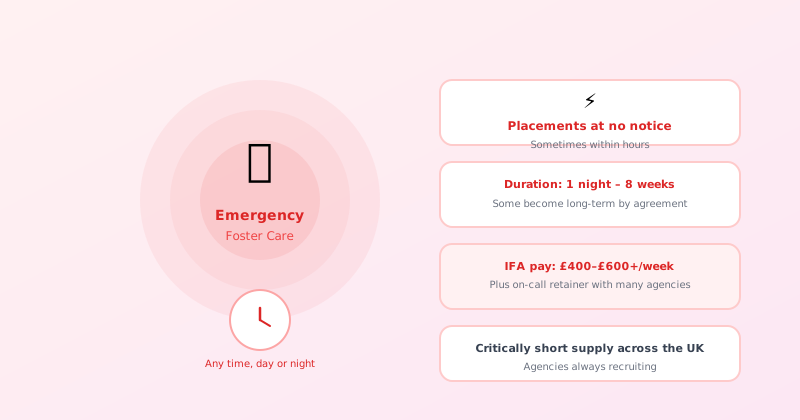
Emergency foster carers provide immediate, short-term placements for children removed from home at any time of day or night. Placements can last from one night to several weeks. Emergency carers are in very high demand and are among the best-supported carers in the system.
What Is Emergency Fostering?
When a child is removed from their home in a crisis — a parent hospitalised, a safeguarding emergency, a court order — social services need to place them immediately. Emergency foster carers are the people who take that call. You may receive a child with nothing but the clothes they are wearing, with no notice, at any time of day or night.
An emergency placement usually lasts between 24 hours and 8 weeks while longer-term arrangements are made. Some emergency placements do become longer-term by agreement.
What Does an Emergency Placement Look Like?
A typical emergency call might sound like this: "We have a 7-year-old boy. His mother has been admitted to hospital. He has his school bag. Can you take him tonight?" You say yes. Within hours, he's at your door.
The child will be in shock. They may be frightened, angry, withdrawn, or unusually compliant. Your job in the first hours is simply to make them feel physically safe: a warm home, food, a bed.
Who Can Become an Emergency Foster Carer?
All approved foster carers can express interest in emergency placements. Most agencies prefer carers who:
- Have flexibility in their day-to-day life (can take a child at short notice)
- Are comfortable with uncertainty and minimal information upfront
- Have no more than 2 looked-after children already placed
- Have a spare bedroom available at most times
Some agencies operate a dedicated emergency "on-call" rota, where certain carers are available for emergency placements during specific periods.
How Much Do Emergency Foster Carers Earn?
Emergency placements typically attract a higher daily or weekly rate than standard short-term fostering, reflecting their unpredictable nature. Typical rates:
- Local authority emergency rate: £270–£350/week
- IFA emergency rate: £400–£600/week
- Some agencies pay an additional emergency call-out payment per activation
- Many agencies pay a retainer or standby fee when you are on the emergency rota but no child is placed
The Challenges of Emergency Fostering
Emergency fostering is not easy. Key challenges include:
- No warning — placements disrupt your schedule without notice
- Minimal information — you may know very little about the child's background initially
- Short attachment windows — building a relationship with a child knowing they will move on
- Emotional intensity — children in placement are almost always in acute distress
- Contact arrangements — birth family may have supervised contact during the placement
The Rewards
"That first night when they feel safe enough to sleep — you'll remember it for the rest of your life."
Emergency carers often describe their role as the most immediate, tangible form of help imaginable. You are the person standing at a child's absolute worst moment and saying: tonight, you are safe. That matters enormously.
Getting Started
Tell your fostering agency or any agency you enquire with that you're interested in emergency fostering. It's a function you can build into your fostering profile once approved. See our full guide to the fostering process.