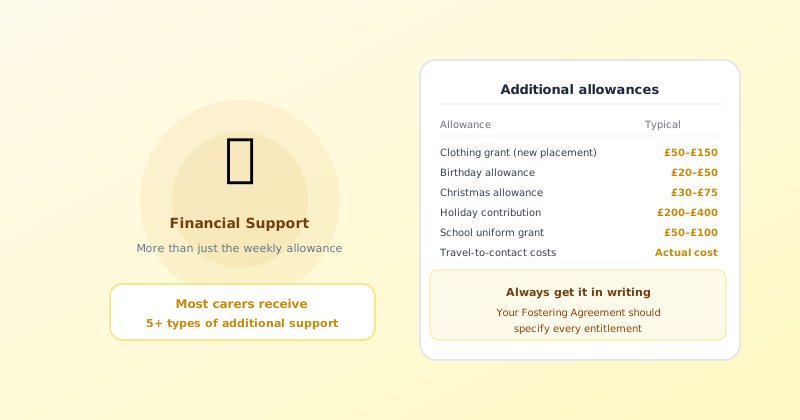
- Weekly allowance is just the start - most agencies provide additional support
- Clothing grants, birthday allowances, holiday contributions are common
- Specialist placement payments exist for challenging placements
- Respite payments continue during your breaks
- Always get your full entitlements in writing - your Fostering Agreement should specify them
Most prospective carers focus on the weekly fostering allowance - understandably so. But the full financial picture is broader than a single number. Here is a comprehensive breakdown of the financial support available to foster carers.
The Weekly Allowance
Every foster carer receives a weekly allowance for each child in placement. This is designed to cover the cost of caring for the child: food, clothing, transport, activities, and incidentals. It is not a salary. See our complete pay guide for detailed figures.
Additional Allowances (What Most Agencies Provide)
| Allowance Type | Typical Amount | Notes |
|---|---|---|
| Clothing grant (new placement) | £50-£150/child | Usually paid on first placement |
| Birthday allowance | £20-£50/child | To cover birthday gifts and celebrations |
| Christmas/festive allowance | £30-£75/child | Widely provided |
| Holiday contribution | £200-£400/year | IFAs typically more generous |
| School uniform grant | £50-£100/child | On starting a new school |
| Travel-to-contact costs | Actual cost | Usually reimbursed in full |
| Respite contribution | Continues during breaks | Most agencies continue paying during planned breaks |
What to Check Before Signing
Your Fostering Agreement should specify every payment you are entitled to. Before signing, check: the weekly allowance per child at each age bracket, the professional fee (if IFA) and how it scales with experience, all additional allowances and how they are claimed, and what happens to your income during periods between placements.
Frequently Asked Questions
Do I get paid when there is no child in placement?
Usually not - most agencies pay only while a child is placed. Some agencies pay a retainer for emergency carers who commit to being available. Ask about this specifically.
Can I claim for damage caused by a child in my care?
Yes. Most agencies have a damage compensation policy. Significant damage should be reported and claimed. Keep records and photographs.
Are there grants available to help set up my home for fostering?
Some agencies provide a start-up payment or grant when a carer is first approved. Local authorities occasionally have funding pots for bedroom furniture or refurbishment. Ask your agency directly.